
Donald J. Trump
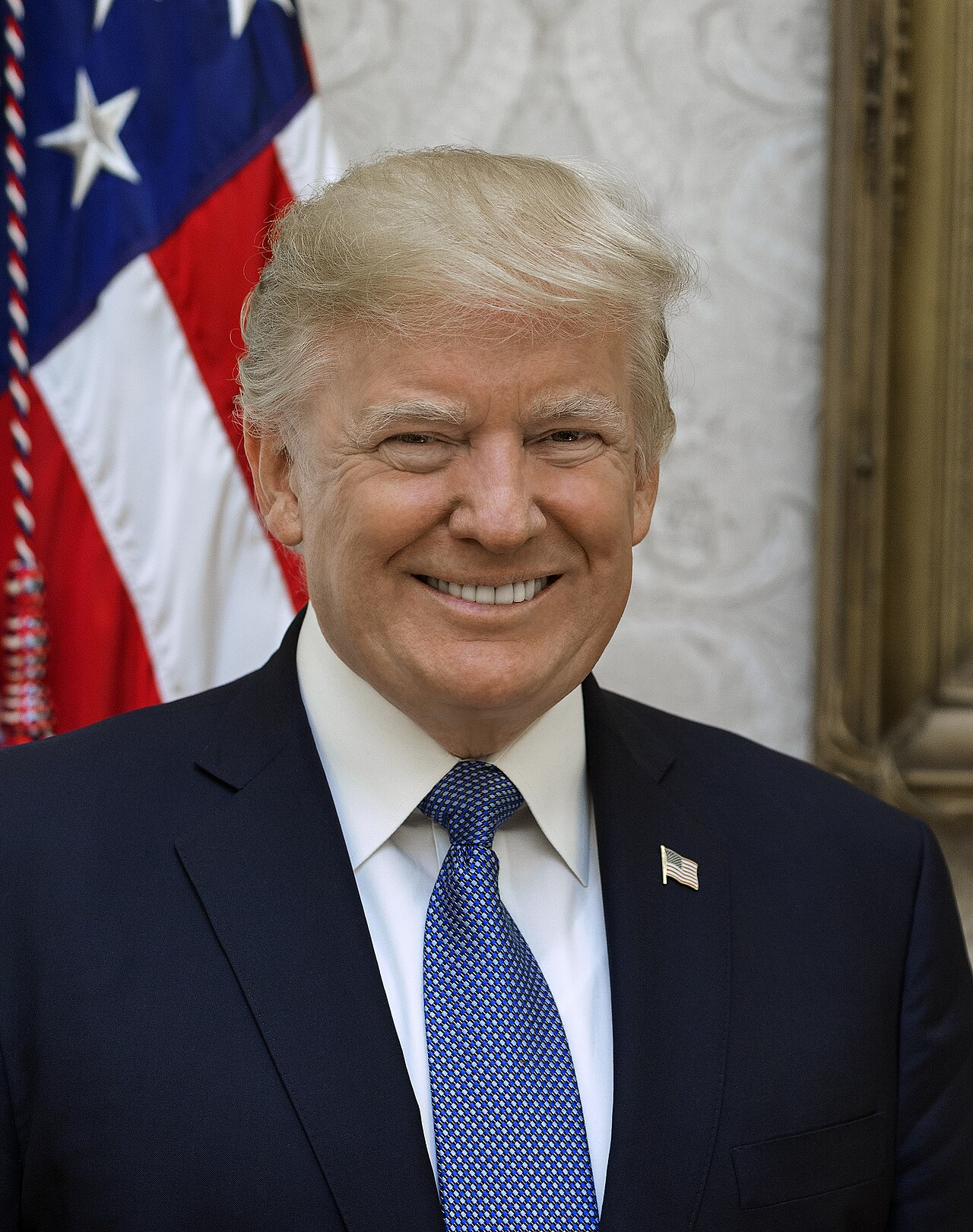
The first term: four years and one afternoon
Donald J. Trump took office in January 2017 having lost the popular vote and immediately disputed the count of the crowd at his own inauguration. It set the register for what followed: a presidency in which the factual record was treated as an obstacle to be managed rather than a condition of governing.
In 2018 the administration separated more than five thousand children from their parents at the southern border under a policy its own architects described in writing as a deterrent. Hundreds of those families had not been reunited years later because no system had been built to track them.
In 2019 he was impeached for withholding congressionally appropriated military aid from Ukraine while asking its president for an investigation of a domestic political rival. The Senate acquitted him without hearing a single witness.
In 2020 a pandemic arrived. He was recorded in February telling a reporter it was deadlier than the flu and telling the country in March that it was under control. Independent modeling attributes tens of thousands of American deaths to the delay and the disinformation that followed.
In November he lost the election by seven million votes and sixty-two court decisions. He called Georgia's Secretary of State and asked him to find eleven thousand seven hundred and eighty votes. The call was recorded.
On January 6, 2021 he told a crowd to fight like hell and march to the Capitol. They did. One hundred and forty officers were injured. He was impeached a second time, for incitement, and acquitted again — this time by senators who had run for their lives that afternoon.